

Healthy Habits for Happy, Active Students!
Health & Wellness for Kids
Every child deserves to grow up feeling strong, happy, and full of energy. Healthy habits are the small things we do every day that help our bodies and minds work at their very best. Just like a plant needs sunlight, water, and good soil to grow, children need enough movement, the right food, and plenty of rest to thrive. Starting these habits early, even in the first years of school, makes it much easier to keep them for a lifetime. A healthy lifestyle is not about being perfect, it is about making good choices as often as we can. When students take care of their bodies, they find it easier to focus in class, play with friends, and feel good about themselves. The good news is that being healthy can also be a lot of fun! In the sections below, I will explore four important pillars of a healthy lifestyle: exercise, nutrition, and rest.
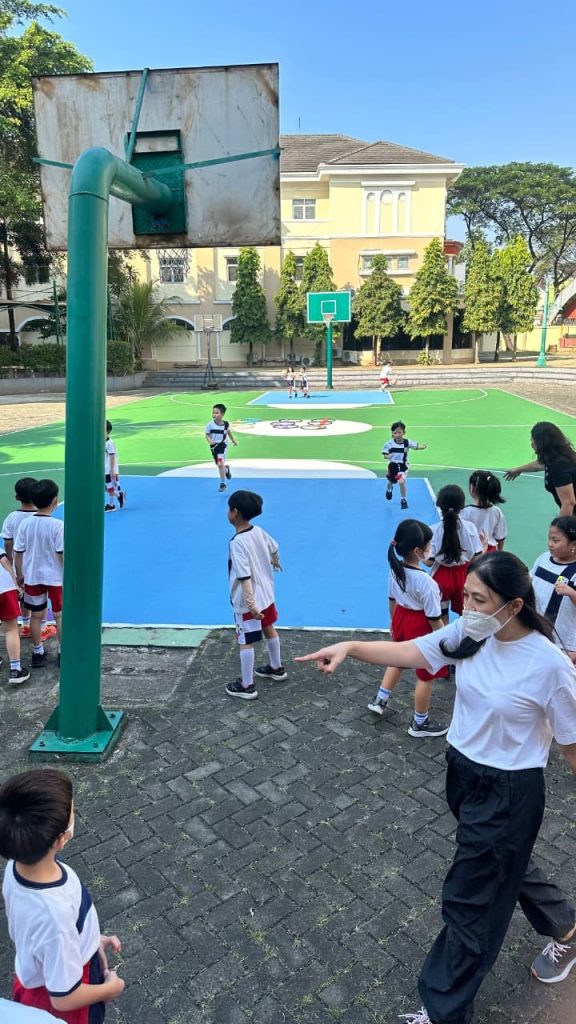
Exercise is one of the most important habits a young student can build. When children move their bodies regularly, their muscles grow stronger and their bones become healthier. Being active also helps the heart pump blood more efficiently, giving the body more energy throughout the day. For lower grade students, exercise does not have to feel like hard work, it can be as simple as playing outside at recess. Running, jumping, skipping, and climbing are all excellent ways to stay active without even realizing it. Physical activity also helps children sleep better at night, which means they wake up feeling refreshed and ready to learn. Most health experts recommend that children get at least 60 minutes of active movement each day. Building this habit early helps children stay healthy for the rest of their lives.
There are many simple exercises that are perfect for young elementary students and can be done anywhere. Jumping jacks are a great full-body exercise that gets the heart pumping and warms up the muscles quickly. Frog jumps, where children crouch down and then leap forward like a frog, strengthen the legs and improve balance. Animal walks such as bear crawls, crab walks, and bunny hops are playful ways to build strength and coordination at the same time. Hula hooping is another exciting activity that exercises the core muscles of the stomach and back. Simple yoga poses, like the “tree pose” or “downward dog,” teach children about balance, flexibility, and breathing calmly. These exercises can be done in small groups, which also helps children practice teamwork and communication. Doing these fun activities for just 10–15 minutes a day can make a big difference in a child’s overall health and mood.
Besides exercise, what students eat is also essential, because it has a huge effect on how well they can think and learn at school. A healthy breakfast, such as oatmeal with fruit or whole-grain toast with an egg, gives the brain energy to focus during morning lessons. Vegetables and fruits are packed with vitamins that help the body fight sickness and stay strong. Eating a variety of colorful foods like orange carrots, red tomatoes, and green spinach ensures that children get many different nutrients. Sugary snacks and fast food, on the other hand, can cause children to feel tired and find it hard to pay attention in class. Drinking enough water throughout the day is also part of good nutrition, as even mild dehydration can make it harder to concentrate. Parents and teachers can make healthy eating fun by turning fruits and vegetables into colorful plates that look like pictures. When children enjoy healthy food, good eating habits become a natural part of their daily routine.
A truly healthy lifestyle is not just about exercising and eating well; rest is equally important for young students. Children in grades 1 through 3 need between 9 and 11 hours of sleep each night so their bodies and brains can recover and grow. During sleep, the brain processes everything learned during the school day, which helps children remember lessons better. A regular bedtime routine, such as reading a book, brushing teeth, and turning off screens an hour before bed, helps signal to the body that it is time to rest. Limiting time spent watching TV or playing on tablets is also essential, as too much screen time can strain the eyes and reduce physical activity. Taking short breaks during homework like stretching or walking around for five minutes helps children stay focused and prevents tired muscles. When children balance activity, healthy food, and enough rest, they feel happier, do better in school, and get sick less often. Helping students build these habits early gives them a strong foundation for a healthy and joyful life.
Small healthy choices every day add up to a big, happy life. Start today — your body and brain will thank you!


