
The Significance of Stimulating Fundamental Skills in Early Childhood
Early childhood represents a crucial phase for cognitive, social, and emotional development. During this period, the brain experiences substantial growth, establishing a foundation for future learning and development. It is vital to encourage the development of fundamental skills in young children, including motor skills, language, cognitive abilities, and social-emotional skills, as these are essential for their overall growth and future success. At Stella Maris Preschool, we are committed to helping children develop these basic skills during their early years.

- Motor Skills: The Foundation of Physical Development
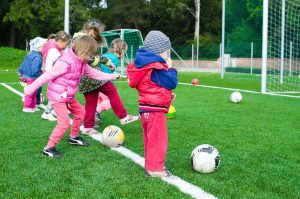
Motor skills are among the first essential skills that children develop. These skills can be categorized into two types: gross motor skills, which involve large movements such as crawling, walking, and jumping, and fine motor skills, which involve smaller movements, such as grasping, drawing, and using utensils. It is crucial to stimulate these skills during the early stages of childhood because:
- Physical health plays a crucial role in a child’s overall development. The early acquisition of motor skills fosters active play, which in turn promotes cardiovascular health, muscle strength, and improved coordination. At Stella Maris Preschool, students participate in weekly gym activities designed to enhance both their gross and fine motor skills, which contributes to their physical development and well-being.
- Physical Activity and Brain Development: Engaging in physical activity stimulates the areas of the brain responsible for movement and coordination. It also promotes the development of neural pathways that are crucial for cognitive growth. Simple activities, such as moving small objects or placing items inside plastic bottles, can effectively support brain development.
- Language Skills: The Key to Communication and Learning
Language skills are essential for a child’s ability to communicate, learn, and connect with others. Early childhood is a critical time for language development, and encouraging these skills can lay the foundation for future academic success. The significance of fostering language skills includes:
- Cognitive Development: Language is closely linked to cognitive skills. The more words children are exposed to, the better they can understand, categorize, and express their thoughts. Early language stimulation is essential for developing reading and writing skills later on, which are vital for academic success. Each week, students at Stella Maris Preschool participate in library time, where they can listen to stories being read. Additionally, students are encouraged to read books at home. Stella Maris School allows students to borrow books weekly to enjoy at home.
- Social Interaction: Language is fundamental to social interaction. Children who develop strong language skills at a young age are better able to communicate their needs, share ideas, and participate in social play. This fosters positive relationships and contributes to emotional well-being. In the classroom, students frequently communicate with their peers, and teachers are encouraged to prompt discussion by asking questions related to the topics being covered.
- Cognitive Skills: Building the Foundation for Learning
Cognitive skills encompass the mental processes involved in thinking, learning, and problem-solving. Stimulating these skills early in life is crucial for helping a child develop their ability to comprehend the world around them, make decisions, and grasp new concepts. Some key cognitive skills that should be fostered early include:
- Attention and Focus: Engaging children in activities that require them to pay attention to details and follow simple instructions helps develop their focus and concentration, which are essential skills for academic learning. It is important for children to maintain their attention. In the classroom, students are encouraged to listen carefully and concentrate on the teacher’s explanations and instructions.
- Problem-solving skills can be developed through activities such as building with blocks, sorting objects, and completing puzzles. These activities encourage children to approach challenges and think critically about finding solutions. Providing students with opportunities for creative expression can also enhance their problem-solving abilities. For example, Stella Maris students are sometimes given the freedom to decorate their artwork, allowing them to choose the colors and decorations they want to use. This free choice can further stimulate their creativity and critical thinking skills.
- Social-Emotional Skills: The Foundation of Healthy Relationships
Social-emotional development involves a child’s ability to understand and manage their emotions, build relationships, and navigate social situations. These skills are essential for fostering empathy, cooperation, and emotional resilience. Enhancing social-emotional skills can significantly benefit children by enabling them to:
- Build Relationships: By learning social cues and developing empathy, children gain the skills necessary to form healthy relationships with peers, family, and teachers. Cooperation, sharing, and negotiation are essential components of positive social interactions. At Stella Maris, students have numerous opportunities to build connections with their classmates through various activities and performances held throughout the year. During these events, students enhance their social skills while engaging with their peers.
- Developing Self-Esteem: Children with strong social-emotional skills tend to have a positive self-image. Self-esteem is closely linked to resilience; children who believe in their own worth are more likely to persevere through challenges. At Stella Maris Preschool, we provide students with opportunities to express themselves. We encourage them to be confident in their daily lives.
- The Importance of Early Childhood Education
High-quality early childhood education programs are vital in promoting essential skills in young children. Through play-based learning, structured activities, and social interactions, children can cultivate these skills in a safe and supportive environment. Some benefits of early childhood education include:
- Skilled educators create a learning environment where children feel safe to explore, ask questions, and learn from their mistakes. This nurturing atmosphere ignites curiosity and a passion for learning, which are essential for their future academic success.
Conclusion
Nurturing basic skills in early childhood is vital for a child’s comprehensive development. From motor skills that enhance physical health to language and cognitive abilities that establish a solid foundation for academic achievement, early stimulation equips children with the essential competencies for lifelong learning and emotional resilience. Research consistently proves that the earlier these skills are fostered, the greater the potential for success in adulthood. It is imperative for parents, caregivers, and educators to unite in creating dynamic environments that promote the development of these foundational skills, ensuring that children are not only prepared but also thrive in facing the challenges and seizing the opportunities of the future.